
I was on a radio show recently when the host asked me for the one piece of marketing advice I would give any business owner.
I didn’t have to think about it long.
Years earlier, when I was coaching small business owners, I kept having the same conversation. Some were just getting started. Others had been open for a while and were frustrated that their marketing wasn’t working.
Different businesses. Same starting point.
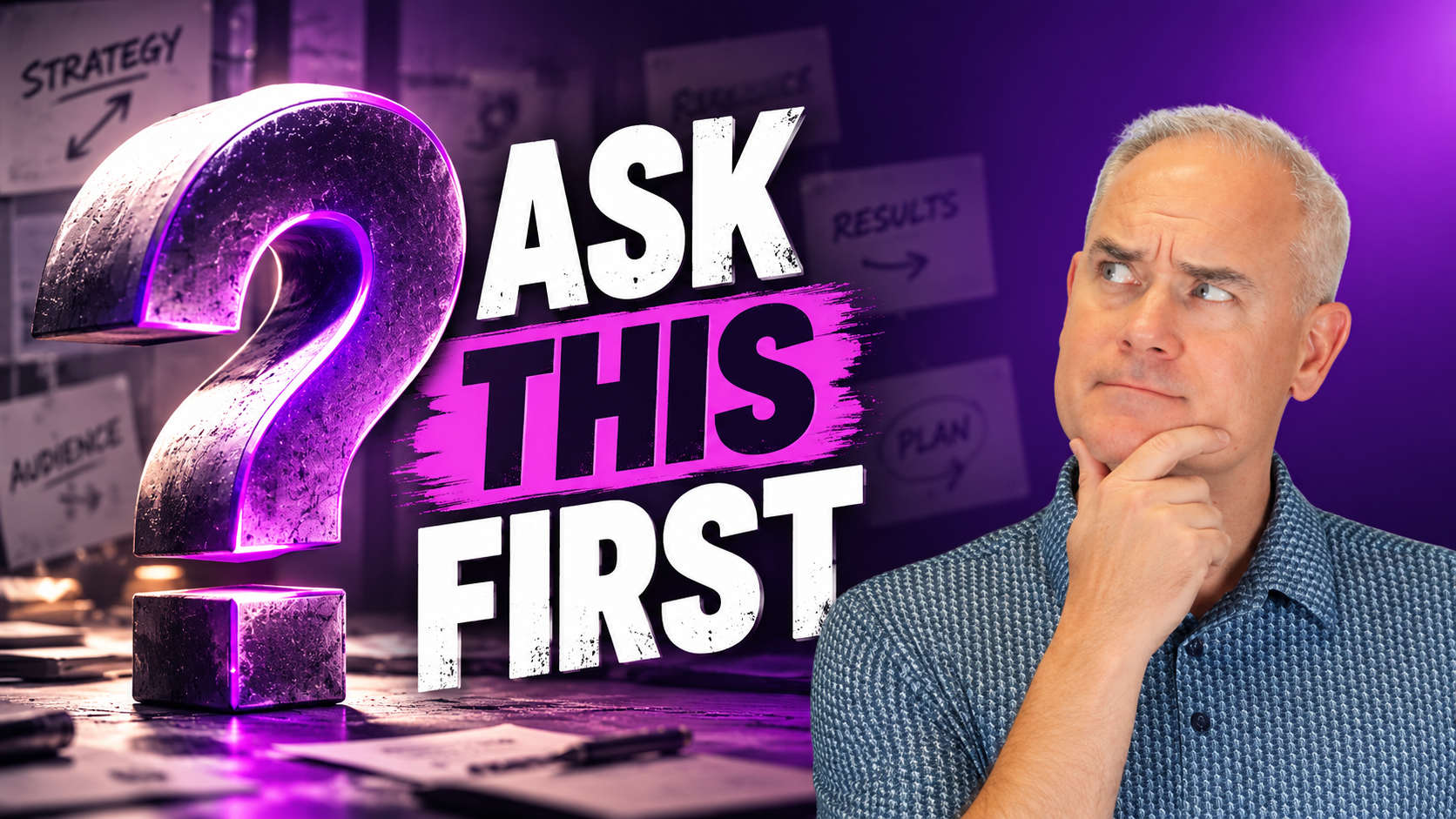
Who is your perfect customer—and what specific problem are you solving for them?
To identify your perfect customer, start with your best current client, understand the specific problem you solve for them, and use that insight to find and speak to more people with the same need.
It sounds simple. But answering that question honestly takes some work. And it’s the foundation of my TARGET marketing framework.
Why Trying to Reach Everybody Weakens Your Marketing
When you haven’t clearly identified your customer, it’s easy to default to everybody.
Your website lists everything you can do. Social posts try to appeal to every industry. Your offers get broader because you don’t want to miss an opportunity.
I understand the temptation. Choosing a specific audience can feel like turning away business.
But think about what happens on the other side of that message. A busy business leader is scrolling through their feed between meetings. They have a specific problem on their mind. Your post could describe almost any company, so there’s nothing that makes them stop.
The narrower your focus, the stronger your message can become.
Here are four steps to finding that focus.
1. Start With Your Best Current Client
Picture the client you love working with. The relationship is strong, your work helps them, and they refer other people to you.
Now get specific about that person.
What industry are they in? How large is their organization? What are they responsible for? What keeps them up at night?
If you sell to businesses, company size is useful. But “companies with 25 to 500 employees” still leaves a lot unanswered. A marketing director trying to build awareness has different concerns than an owner struggling to recruit employees.
Write down what your best client’s day actually looks like. What are they trying to accomplish? What keeps getting in the way?
You’re looking for enough detail to recognize more people like them.
2. Name the Specific Problem You Solve
This is where your message starts getting stronger.
“We help businesses grow” could mean almost anything. It gives the reader very little to connect with.
For example, imagine a regional healthcare organization struggling to attract qualified job candidates. A message about reaching potential employees in a tight labor market is much more relevant to that team than a general promise about growth.
That’s an illustration, but the exercise should use your actual client work.
What was your customer struggling with before they called you? Why did it matter? What did you help them do?
Use their language. If your customer talks about empty positions and an overworked team, start there. You don’t need to dress it up with marketing jargon.
You need to show that you understand.
3. Find More People With That Problem
Once you understand the person and the problem, you have a better way to choose where to show up.
What do those people read? Which podcasts do they listen to? What events do they attend? What questions are they typing into Google when they’re trying to figure something out?
Those answers should influence your marketing decisions.
They can help you decide which topics deserve a blog post, which events are worth attending, and where branded merchandise might create a useful connection.
This also connects with HYBRID Marketing: bringing your physical and digital marketing together around the people you want to reach.
You don’t have to show up everywhere. Start with the places that matter to your customer.
4. Speak Directly to That Person
Now look at your message through their eyes.
Does your website address their problem? Does your content answer their questions? Does your offer give them a clear next step?
This takes discipline. You might be tempted to add another audience or another service to every post.
Stay focused.
One article doesn’t have to explain everything your company does. It can answer one important question for one specific reader. That gives the right person a reason to keep reading—and a clearer understanding of when to call you.
Your Marketing Challenge This Week
Write down who your perfect customer is and the specific problem you solve for them.
Then pull up your last five pieces of marketing content.
For each one, ask: Does this speak directly to that person?
Look for their concerns, their language, and a next step that makes sense for them. If those things are missing, you have a useful place to start making changes.
This is the work that gives your tactics direction. Get clear about your person, and you’ll have a better foundation for deciding what to say next.
Does Your Marketing Reach the Right People?
Once you know who you want to reach, take a look at how your marketing connects.
Our Visibility Roadmap audits your physical and digital marketing, identifies gaps, and shows you ways to address them—with or without our help implementing the plan.
If you’re ready for a clearer picture of where to focus, explore the Hasseman Marketing Visibility Roadmap.